
Living with chronic pain often feels like shouting into a void where nobody quite understands your invisible struggle. That’s exactly why chronic pain memes have become a vital language for nearly 8 million Canadians navigating this reality, according to research published by the Public Health Agency of Canada in June 2026. These deceptively simple images paired with sharp, knowing text capture what medical appointments and well-meaning conversations often miss: the absurdity of symptoms that vanish the moment you enter the doctor’s office, the guilt of canceling plans again, and the exhausting performance of appearing “fine” when your body screams otherwise.
For those living with cancer and its aftermath, these memes do more than make you smile. They validate experiences that many struggle to articulate. When you see “Sorry, I can’t hang out my chronic illness won’t let me” or “The Chronic Illness Invisibility Cloak” shared across social media platforms, you’re witnessing a community finding each other through humor that cuts close to the bone. What is cancer doesn’t fully capture the daily reality of treatment side effects, nerve damage, and persistent pain that follow many survivors long after their last appointment.
This isn’t just internet comedy. It’s a coping mechanism, a support system, and increasingly, a doorway to understanding how humor can carry us through the hardest parts of chronic illness.
What Are Chronic Pain Memes and Why Do They Resonate?
Chronic pain memes are relatable images, graphics, or text-based posts shared across social media that capture the frustrating, exhausting, and often absurd daily realities of living with persistent pain. They translate experiences that are hard to explain into visual shorthand that instantly clicks for anyone who’s lived it. Think: “Symptoms Always Hide When the Doctor is Around” or “The Chronic Illness Invisibility Cloak.” These aren’t just jokes. They’re validation.
For cancer survivors, these memes hit differently. Nearly 8 million Canadians live with chronic pain, and many in the cancer community face lingering neuropathy from chemo, surgical recovery pain, radiation damage, or treatment-related complications that don’t show up on scans. When you look fine but feel terrible, when doctors dismiss your symptoms because they can’t see them, when friends stop inviting you because you’ve canceled plans too many times, a meme that says “Sorry, I can’t hang out my chronic illness won’t let me” becomes a lifeline.
These digital snippets emerged as social media grew into a space where invisible illnesses could finally be seen. Platforms like Instagram, Facebook, and Reddit gave people with chronic conditions a way to connect beyond geographic limits, sharing experiences that their immediate circles might not understand. For cancer survivors navigating a world that often expects you to be “cured” once treatment ends, finding others who get it, who laugh at the same absurdities, who validate that your pain is real even when it’s invisible, creates community where isolation once lived.
Popular Chronic Pain Meme Themes in the Cancer Community

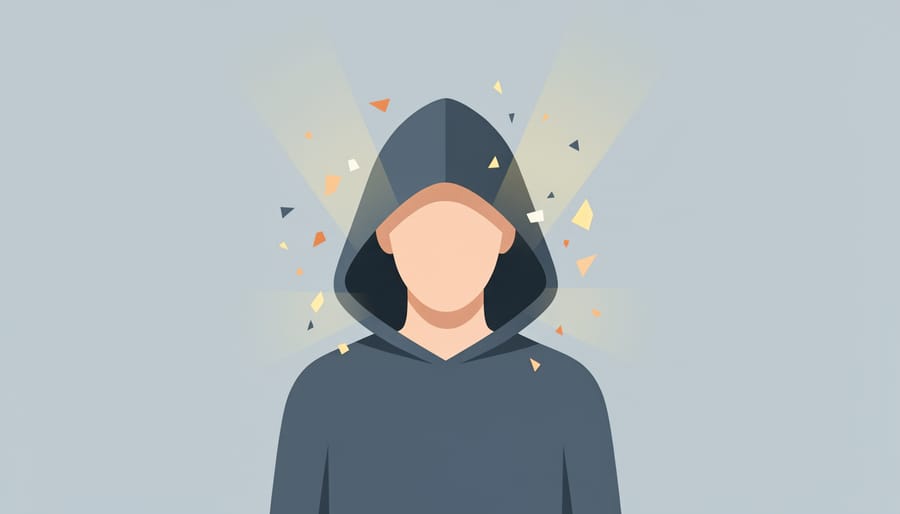
Certain meme themes surface repeatedly in cancer survivor circles, resonating because they capture the specific absurdity of living with chronic pain that others can’t see. The “Chronic Illness Invisibility Cloak” is perhaps the most pervasive. Cancer survivors dealing with chemotherapy-induced peripheral neuropathy or lingering post-radiation pain know this feeling intimately. Your hands might be burning, your legs could feel like they’re wrapped in barbed wire, yet you look perfectly normal to everyone around you. The meme typically shows someone appearing fine on the outside while chaos or flames rage beneath the surface.
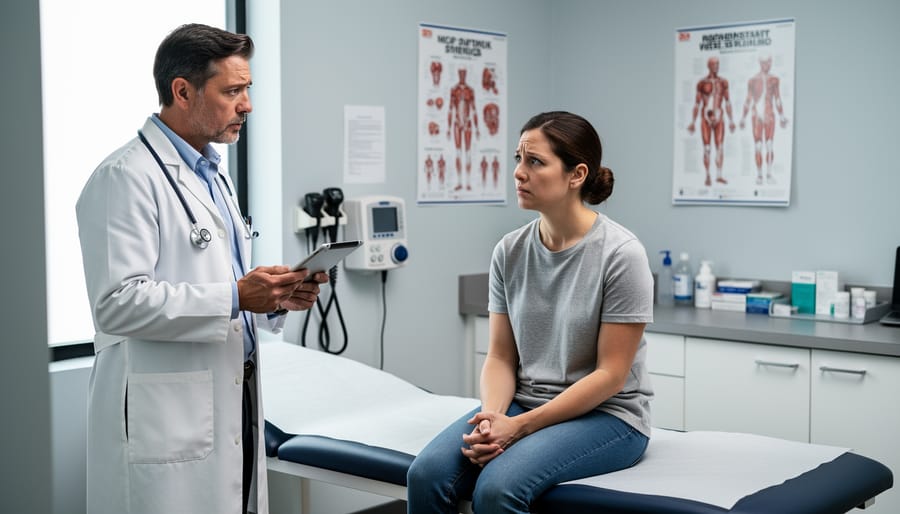
“Symptoms Always Hide When the Doctor is Around” strikes a nerve with anyone who’s struggled to communicate pain severity during medical appointments. You’ve been in agony for weeks, catalogue every symptom carefully, then sit in the oncologist’s office and suddenly your pain seems manageable. Or worse, you struggle to articulate how the nerve damage from platinum-based chemo feels different from bone pain, from fatigue, from everything else happening simultaneously. The meme often features someone looking perfectly healthy in the doctor’s office while their symptoms wave goodbye from behind.
The canceled plans meme speaks to the unpredictability cancer survivors know too well. “Sorry, I can’t hang out my chronic illness won’t let me” captures the last-minute cancellations when a flare-up hits, when the neuropathy in your feet makes walking unbearable, or when post-treatment phantom pains flare without warning. Friends might see a pattern of cancellations and assume you’re unreliable. The meme validates that it’s not about wanting to stay home, it’s about your body making that decision for you.
Then there’s the “how I look versus how I feel” disconnect. Cancer survivors in remission often hear “but you look great!” when they’re managing significant pain from treatment side effects or ongoing complications. These memes usually split the screen: one side showing a smiling, put-together person, the other revealing exhaustion, pain, or internal struggle. It acknowledges the emotional labor of appearing functional while managing invisible symptoms that don’t match your outward appearance.
The Therapeutic Power of Humor and Shared Experience
When you’re battling cancer-related pain at 3 a.m. and scroll past a meme that perfectly captures your experience, something shifts. That moment of recognition, “Someone else gets it”, offers relief that pain medication alone can’t provide. For cancer survivors managing chronic pain, humor isn’t about dismissing serious struggles. It’s a lifeline.
Laughter triggers genuine physiological benefits. Your body releases endorphins, natural pain relievers that temporarily ease discomfort while lowering stress hormones like cortisol. After chemotherapy-induced neuropathy or post-surgical pain has become your constant companion, these brief respites matter. But the deeper therapeutic power lies in what happens when you share that meme with someone who understands.
Chronic pain memes create what psychologists call “validation through shared experience.” When you live with invisible symptoms that even loved ones struggle to grasp, finding a community that needs no explanation reduces profound isolation. You’re not weak for canceling plans again. You’re not imagining that your pain mysteriously lessens the moment you enter the doctor’s office. These experiences are real, common, and finally acknowledged by others who live them too.
The shared humor builds bridges between strangers facing similar battles. A Facebook support group member shares a meme about looking healthy while feeling terrible, and suddenly ten cancer survivors are exchanging their own stories, coping strategies, and encouragement. The meme becomes the conversation starter that breaks through the awkwardness and stigma surrounding chronic pain discussions.
This balance matters, though. Effective coping through humor coexists with acknowledging pain’s serious impact on your life. The best chronic pain communities understand this duality, laughing at absurd situations while creating space for darker days when humor feels impossible. You’re allowed both the levity and the grief, often in the same breath.
Where Canadian Cancer Survivors Share and Find These Memes
Canadian cancer survivors looking for chronic pain memes typically find them in several online spaces that blend humor with genuine support. Facebook remains the most active platform for Canadian-focused groups like “Cancer Survivors Support Network Canada” and “Young Adult Cancer Canada,” where members regularly share memes alongside treatment updates and encouragement. These closed groups offer privacy and moderation, creating safer spaces than public feeds.
Instagram hosts numerous chronic illness accounts run by cancer survivors who curate memes specifically about treatment side effects, fatigue, and invisible symptoms. Popular Canadian accounts often use hashtags like #CancerSurvivorCA, #ChronicPainCanada, and #InvisibleIllness to help people find relatable content. The visual format makes Instagram particularly effective for quick moments of recognition and connection.
Reddit communities such as r/cancer and r/chronicpain provide more anonymous spaces where users share memes without the social pressure of personal profiles. Many Canadian survivors appreciate the candidness and dark humor that these forums allow, though moderation quality varies between subreddits.
National organizations like the Canadian Cancer Society and regional cancer centers occasionally share gentler, more uplifting memes through their official social channels, though peer-led groups typically offer the rawest, most relatable content. These organization-led spaces work well for those new to online support communities or seeking professionally moderated environments alongside peer connection.
Creating Connection Beyond the Screen
While sharing a chronic pain meme might start with a quick laugh on Instagram, its real value often emerges when that digital connection sparks an actual conversation. Cancer survivors tell us they’ve used memes as gentle icebreakers to explain their pain to family members who struggled to understand why “good days” and “bad days” vary so unpredictably. A shared meme becomes shorthand for complex experiences, making it easier to say “this is exactly how I feel” without launching into a lengthy medical explanation.
These online moments frequently lead survivors to local support networks they didn’t know existed. Someone comments on your meme post, you start messaging, and suddenly you’re learning about a pain management workshop at a nearby cancer center or a peer support group that meets monthly. The humor creates an opening, but the follow-through builds genuine community connections that extend well beyond your phone screen.
Organizations across Canada recognize this bridge between digital engagement and practical support. Many now integrate relatable content into their outreach strategies, knowing that lighthearted recognition of daily struggles reduces the isolation that keeps people from seeking help. When chronic pain feels invisible to everyone around you, finding others who get it makes asking for resources feel less daunting.
This connection supports broader efforts too. Survivors who feel validated and supported are more likely to participate in basic cancer research studies focused on pain management, contributing valuable data that helps future patients. They attend educational seminars, advocate for better pain care, and mentor newly diagnosed individuals navigating similar challenges.
The meme might be digital, but the community it fosters is thoroughly real and often life-changing.
Common Questions About Chronic Pain Memes and Cancer
Cancer survivors and caregivers often wonder whether sharing or laughing at chronic pain memes is appropriate, especially when dealing with serious health challenges. The short answer is that humor can be a healthy coping tool when it validates your experience and connects you with others who understand. Memes aren’t meant to minimize pain or replace medical treatment, they simply offer moments of recognition and relief in what can feel like an isolating journey.
Are chronic pain memes an appropriate coping tool for cancer survivors?
Yes, when they help you feel understood and less alone. Humor doesn’t diminish the seriousness of your experience, it’s simply another way to process difficult emotions alongside medical care and support.
Can sharing these memes minimize my pain experiences?
Not if you’re using them to connect with people who genuinely understand. The risk comes when others outside the chronic pain community use humor to dismiss or trivialize what you’re going through.
How do I know if a meme community is genuinely supportive?
Look for groups where members share experiences respectfully, offer practical advice alongside humor, and acknowledge both struggles and small victories. Supportive communities balance levity with empathy.
What if chronic pain memes make me feel worse instead of better?
Trust your instincts and step back. Everyone copes differently, and if memes amplify your distress rather than provide comfort, focus on other support resources that feel more helpful to you.
If you’re dealing with the practical stresses that compound chronic pain, like managing treatment costs or finding financial support remember that humor is just one piece of a broader support network. Use memes as a way to feel connected, but don’t hesitate to seek professional help, join structured support groups, or talk with your care team when you need more than a relatable image can provide.
Chronic pain memes remind cancer survivors that they’re not alone in facing invisible struggles, medical frustrations, and the daily unpredictability of life with persistent pain. These small moments of shared humor validate experiences that others often dismiss or misunderstand, creating connections across distance and difference.
Whether you find comfort in a relatable meme about symptoms vanishing at appointments or prefer in-person support groups, what matters is finding your community. Humor can open conversations about pain management that feel too heavy to start otherwise. It breaks isolation and makes room for honest dialogue about the challenges you face.
Canadian cancer survivors have access to numerous resources beyond social media. Cancer Survivors offers support networks, educational programs, and connections to local communities across the country. Pain management clinics, chronic illness support groups, and survivorship programs provide structured assistance when you need more than a scroll through your feed.
Living with chronic pain after cancer takes resilience, but you don’t have to muster it alone. The strength you find in shared experience, whether through a meme that makes you laugh or a support group that truly understands, helps carry you through the hardest days. Your pain is real, your experience matters, and your community is waiting.