Adult man’s hands resting beside a closed book in a softly blurred healthcare setting, with a subtle focus on the lower torso area to suggest prostate health awareness.

What Causes Prostate Cancer? Risk Factors and Prevention Steps

The single greatest risk factor for prostate cancer is age. While no one can pinpoint the exact moment cells turn cancerous, decades of research confirm that prostate cancer risk climbs sharply in men over 50, and men with a family history face two to three times the risk of those without. If your father or brother was diagnosed with prostate cancer, that’s your clearest signal to begin screening earlier and more frequently than population guidelines typically recommend.
Here’s what you need to assess your personal risk: start by mapping your family tree for any prostate, breast, or ovarian cancers, particularly …
A person by an open window with soft mist and a translucent lung-shaped glass sculpture symbolizing lung cancer risk and prevention.

Why Am I at Risk for Lung Cancer? Causes and How to Lower Your Risk

If you smoke, quitting is the single most powerful step you can take to reduce your lung cancer risk right now. Smoking remains the leading cause of lung cancer in Canada, responsible for the majority of diagnoses, but here’s what many people don’t realize: your risk begins to drop within weeks of your last cigarette, and continues to fall with every smoke-free year.
Before you assume smoking is the only culprit worth worrying about, take a moment to assess your full picture. Have you lived in the same home for years without testing for radon, an invisible radioactive gas that seeps up from soil and rock? Do you work in …

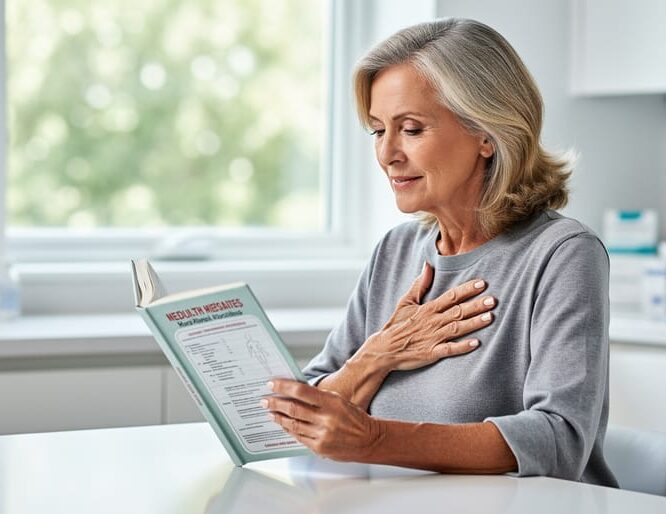
“Middle-aged woman seated indoors holding a medical booklet with a hand over her upper chest, conveying breast cancer risk awareness and proactive screening.”

What Causes Breast Cancer? Risk Factors and Steps to Reduce Your Risk

Understanding your breast cancer risk starts with one essential truth: most cases arise from a combination of factors you can’t control, age and sex, and a smaller set of lifestyle and environmental influences you can modify. If you’re a woman over 50, you already carry the two most significant risk factors. That doesn’t mean breast cancer is inevitable, but it does mean regular screening and awareness of your personal risk profile become non-negotiable tools for early detection and better outcomes.
The quickest way to assess your immediate risk is to ask three questions. Are you over 40? Do you have a close blood …

A sun protection bottle and sunglasses next to a healthy salad and water bottle on a table near a bright window with blurred greenery in the background.

The Most Preventable Cancers (And How Your Daily Choices Shape Your Risk)

The most preventable cancers include lung, skin, colorectal, and cervical cancers, and up to 40% of all cancer cases in Canada could be prevented through lifestyle changes, vaccination, and screening. That’s not a distant hope or theoretical possibility. It’s grounded in decades of Canadian and international research showing that specific, concrete actions reduce your cancer risk right now.
Understanding which cancers are preventable matters because it shifts the conversation from fear to agency. While no one can eliminate cancer risk entirely…

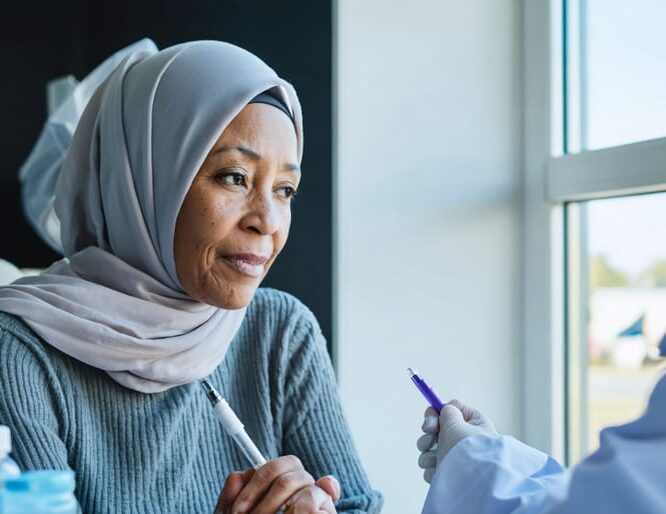
Adult cancer patient in a headscarf moves a vape pen away while a doctor gestures across the table, with a softly blurred hospital setting and Canadian flag outside the window.
Featured

What Cancer Patients and Survivors Need to Know About Vaping in Canada

Understand that 2 gram carts and disposable vape products contain concentrated substances that may pose heightened risks when you’re navigating cancer treatment or recovery. Research your specific vulnerabilities—chemotherapy, radiation, and certain cancer types can compromise lung function and immune response, making vaping particularly concerning for your health journey.
Recognize that Health Canada has identified serious risks with vaping products, including potential contamination with heavy metals, vitamin E acetate, and other …

Featured

How Many Cancers Are Preventable?

About 40% of cancer cases are preventable through healthy life choices, as well as several different policies that have been put in place to safeguard the health of Canadians. Luckily for you, it is not too late to start reducing your cancer risk today.
The number of cases preventable by altering and making changes in our daily lives was computed by the Canadian Population Attributable Risk of Cancer. They found that making healthier choices and safeguarding ourselves at home and in the workplace can greatly reduce the risk of cancer.
If we begin to take action today, it is possible to stop many of the potential cancer cases …

Featured

Make Healthy Choices

A lot can be done to lower your cancer risk- Beginning with healthy living and a more active lifestyle. Making choices to live healthier is inexpensive and extremely easy. You are never too young to start taking care of your health by taking small and steady steps to live a healthier life.
Here are some of the things you can do to improve the quality of your life:
Quit Smoking
Smoking is the cause of about 30% of all cancer-related deaths in Canada and is responsible for 72% of all cases of lung cancer.
It’s clear for all to see that the longer you interact with a cigarette and smoke, the more your chances …

Featured

Is Cancer Preventable?

About 40% of cancer cases are preventable through healthy life choices, as well as several different policies that have been put in place to safeguard the health of Canadians.
Fortunately, it is not too late to start reducing your cancer risk today. Like they say, better late than never, so now is the time to begin to make better lifestyle choices to live longer and fuller.
How to Make Healthy Choices
A lot can be done to lower your cancer risk, beginning with healthy living and a more active lifestyle. Making choices to live healthier is inexpensive and extremely easy. You are never too young to start taking care of…