
The single greatest risk factor for prostate cancer is age. While no one can pinpoint the exact moment cells turn cancerous, decades of research confirm that prostate cancer risk climbs sharply in men over 50, and men with a family history face two to three times the risk of those without. If your father or brother was diagnosed with prostate cancer, that’s your clearest signal to begin screening earlier and more frequently than population guidelines typically recommend.
Here’s what you need to assess your personal risk: start by mapping your family tree for any prostate, breast, or ovarian cancers, particularly diagnoses before age 60. Next, consider your ancestry. Black men face higher incidence and mortality rates, while inherited gene mutations (BRCA1, BRCA2, Lynch syndrome) can sharply elevate risk. Unlike many preventable cancers tied directly to lifestyle, prostate cancer remains largely influenced by factors you can’t change. That doesn’t mean you’re powerless.
The troubleshooting path ahead walks you through triaging your personal risk, understanding what drives prostate cells to become malignant, and taking evidence-based steps to lower your odds. We’ll also clarify when to seek screening, drawing on Canadian research and the voices of men who’ve navigated these decisions. Prostate cancer develops silently in its early stages, so knowing your baseline risk and acting on it can mean catching disease when it’s most treatable.
Understanding Your Risk: Who Is Most Affected?

Age is the single strongest predictor of prostate cancer, with most cases appearing after 50. While the disease can occur earlier, incidence rises with age and the majority of diagnoses happen in men over 65. If you’re approaching or past these age milestones, understanding your risk becomes particularly relevant for screening conversations with your healthcare provider.
Family history significantly elevates your likelihood of developing prostate cancer. Men with a father or brother diagnosed with the disease face roughly double the risk compared to those without a family history. That risk increases further if multiple relatives have been affected or if diagnoses occurred at younger ages. The pattern matters: a grandfather diagnosed at 80 carries different implications than a brother diagnosed at 55.
Ethnicity also plays a role in prostate cancer rates. Men of African or Caribbean descent experience higher incidence rates and are more likely to be diagnosed at younger ages. Asian men typically have lower rates than other populations, though risk still increases with age and other factors.
Geographic patterns exist as well, with higher rates in North America and Europe compared to Asia, though these differences narrow when populations migrate, suggesting both genetic and lifestyle factors contribute. Canadian Indigenous men show varied patterns depending on specific communities and access to healthcare.
Your personal risk profile depends on the combination of these factors. A 45-year-old man with no family history faces different considerations than a 55-year-old whose father and uncle both had prostate cancer. Assessing where you fall in these categories helps you and your healthcare provider make informed decisions about screening timing and frequency.
What We Know About Prostate Cancer Causes
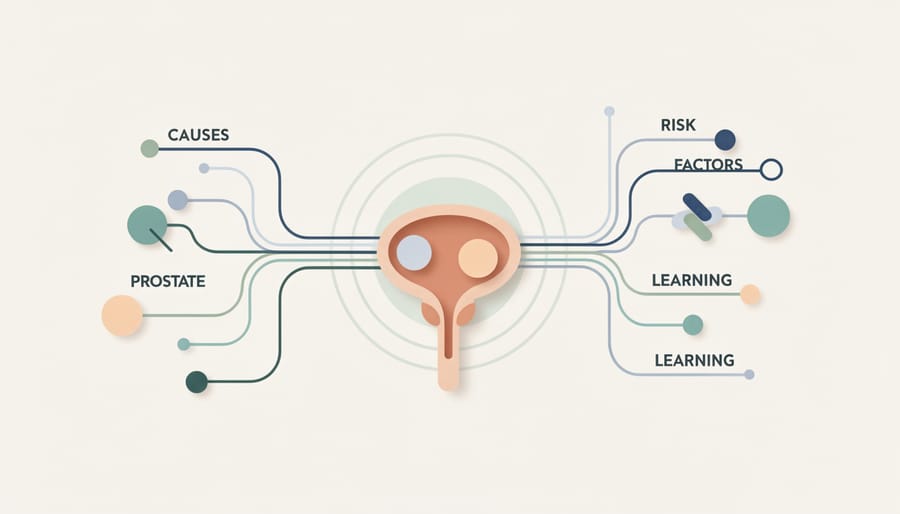
Scientists don’t fully understand what triggers the cellular changes that lead to prostate cancer, but decades of research have revealed important patterns. Unlike some cancers linked to a single clear cause, prostate cancer develops through a complex web of genetic mutations, hormonal influences, and cellular damage that accumulates over time.
At its core, prostate cancer begins when DNA damage occurs in prostate cells. Normal cells have built-in repair mechanisms and programmed death pathways that prevent dangerous mutations from spreading. When these safeguards fail, whether through inherited genetic vulnerabilities or acquired changes, cells can multiply uncontrollably and form tumours. Canadian researchers at institutions like the Terry Fox Laboratory and Princess Margaret Cancer Centre have made significant contributions to understanding these molecular mechanisms, particularly how certain genes regulate cell growth and repair.
Some men inherit genetic mutations that increase their vulnerability. Mutations in genes like BRCA1, BRCA2, and those associated with Lynch syndrome can compromise the body’s ability to repair DNA damage or regulate cell division. These inherited factors explain why prostate cancer sometimes runs in families, though most cases occur in men without a strong family history.
Acquired mutations, changes that develop during a person’s lifetime, play an equally important role. Hormones, particularly testosterone and dihydrotestosterone, fuel prostate cell growth throughout life. While these hormones are essential for normal prostate function, they also create an environment where damaged cells can multiply if other protective mechanisms fail. Environmental exposures, chronic inflammation, oxidic stress from normal metabolism, and other factors may contribute to this cellular damage, though the evidence for many specific exposures remains under investigation.
What’s crucial to understand is that prostate cancer rarely has a single identifiable cause. Instead, it develops through an interplay of factors, some you’re born with, others you accumulate, that together create conditions where cancer can develop. This complexity explains why prevention isn’t about avoiding one specific risk and why screening remains vital for early detection.
Major Risk Factors You Should Know
Non-Modifiable Risk Factors
Age stands as the single strongest risk factor for prostate cancer. Most diagnoses occur in men over fifty, with risk climbing steadily through the sixties, seventies, and beyond. If you’re in your forties with no other risk factors, screening discussions usually wait. Once you cross fifty, those conversations become more urgent.
Family history matters profoundly. If your father or brother had prostate cancer, your own risk roughly doubles. Two or more close relatives with the disease push that risk higher still, and family history increases risk particularly when diagnoses occurred before age sixty-five. Tell your doctor the specifics: who in your family was affected, at what age, and whether multiple relatives share the diagnosis.
Inherited genetic mutations explain some of this clustering. BRCA1 and BRCA2 mutations, known primarily for breast and ovarian cancer, also elevate prostate cancer risk and often lead to more aggressive disease. Men with these mutations may benefit from earlier screening and closer monitoring. Lynch syndrome raises risk as well, though the connection is less widely recognized.
Ethnicity plays a complex role. Men of African or Caribbean descent face higher rates and younger average ages at diagnosis, though the reasons remain incompletely understood and likely involve both genetic and environmental factors. Men of Asian descent typically see lower rates, though risk rises after migration to Western countries, suggesting lifestyle influences interact with genetic background.
You cannot change any of these factors, but knowing them helps you and your doctor decide when to start screening, how often to monitor, and whether genetic testing makes sense in your situation.
Lifestyle and Environmental Factors
Unlike age or genetics, lifestyle and environmental factors offer opportunities to influence your prostate cancer risk through daily choices. The evidence varies in strength across different factors, but research continues to clarify which modifications matter most.
Diet and Nutrition
The relationship between diet and prostate cancer remains complex. Some studies suggest that diets high in red and processed meats, particularly those cooked at high temperatures, may increase risk. Dairy products and calcium intake have shown mixed results in research. Conversely, diets rich in fruits, vegetables, and foods containing lycopene (found in tomatoes) and omega-3 fatty acids may offer protective benefits, though evidence isn’t conclusive enough to make definitive recommendations.
Body Weight and Physical Activity
Obesity, particularly abdominal obesity, shows moderate evidence for increasing risk of aggressive prostate cancer and worse outcomes after diagnosis. Regular physical activity appears protective, with some studies indicating that men who exercise regularly face lower risk of advanced disease. The Canadian Physical Activity Guidelines recommend at least 150 minutes of moderate-to-vigorous activity weekly.
Smoking and Alcohol
While smoking doesn’t strongly correlate with developing prostate cancer, it’s linked to more aggressive disease and higher mortality rates among diagnosed men. Heavy alcohol consumption shows weak associations with increased risk in some studies.
Chemical Exposures
Certain occupational exposures raise concern. Cadmium exposure (welding, battery manufacturing) and agricultural pesticides show some evidence of increased risk. Agent Orange exposure has established links to aggressive prostate cancer. However, for most environmental chemicals, evidence remains limited or inconclusive.
The strength of evidence varies considerably across these factors. Focus on well-supported lifestyle changes like maintaining healthy weight and staying physically active while recognizing that no single factor guarantees prevention.
Steps to Reduce Your Risk

While you can’t eliminate all risk of prostate cancer, research shows that certain daily choices can help lower your risk. Think of these strategies as building blocks for a healthier prostate, not guarantees against cancer. Each positive change you make tilts the odds in your favour.
- Eat more plants and healthy fats. Load your plate with vegetables, fruits, and legumes at every meal. Swap red meat for fish twice a week, and choose olive oil over butter. This pattern supports prostate health without requiring a complete diet overhaul.
- Move your body consistently. Aim for 30 minutes of activity most days, whether that’s brisk walking, cycling, or swimming. Regular movement helps maintain a healthy weight and may reduce aggressive prostate cancer risk specifically.
- Maintain a healthy weight. Obesity links to more aggressive forms of prostate cancer. If you’re carrying extra pounds, even a 5 to 10 percent weight loss can make a difference. Focus on gradual, sustainable changes rather than crash diets.
- Limit alcohol and quit smoking. Keep alcohol to one or two drinks daily at most. If you smoke, quitting reduces your overall cancer risk across multiple sites, including potential prostate cancer connections through inflammation pathways.
- Consider protective nutrients. Some evidence suggests calcium from food sources, vitamin D, and green tea may offer modest protection. Skip megadose supplements unless your doctor recommends them for a specific deficiency.
- Schedule a screening conversation. Talk with your doctor about your personal risk factors and when screening makes sense for you. This discussion should happen by age 50 for most men, or earlier if you have a family history or other high-risk factors.
- Know your family health history. Write down which relatives had prostate cancer and at what age. Share this information with your healthcare provider so you can make informed decisions about screening timing and frequency.
These steps work best as an integrated approach rather than isolated efforts. You might start with one or two changes and build from there. The Canadian Cancer Society emphasizes that prevention is a marathon, not a sprint.
Remember that even with perfect habits, some men will still develop prostate cancer because of factors beyond their control. The goal isn’t to blame yourself if cancer develops, but to make informed choices that improve your overall health while potentially reducing risk. Track your progress in ways that matter to you, whether that’s cooking more meals at home, hitting weekly exercise targets, or simply feeling more energized. These lifestyle shifts benefit your heart, bones, and mental health alongside any prostate protection they might provide.
When to Talk to Your Doctor About Screening
Starting a conversation about prostate cancer screening isn’t always straightforward. Unlike some cancers with universal screening recommendations, prostate screening decisions depend heavily on your individual risk profile, values, and health status. The key is having an informed discussion with your doctor well before you might need testing.
Most men should initiate a screening conversation with their healthcare provider starting around age 50. If you have risk factors that we’ve discussed, Black ethnicity, a family history of prostate or related cancers, known genetic mutations, consider starting these discussions at age 40 or 45. The goal isn’t necessarily to get tested immediately, but to establish a baseline understanding of your risk and create a screening plan that makes sense for your situation.
Come prepared to these appointments with specific questions that help you and your doctor make collaborative decisions:
- Based on my family history and risk factors, when should I start screening?
- What screening methods do you recommend, PSA test, digital rectal exam, or both?
- How often should I be screened given my risk level?
- What PSA level would prompt further investigation or a biopsy?
- What are the potential harms of screening, including false positives and overdiagnosis?
- If we find something suspicious, what are my options for monitoring versus treatment?
Canadian healthcare providers generally follow a shared decision-making approach to prostate screening rather than mandating universal testing. This means your doctor should explain both the potential benefits, catching aggressive cancers early, and the real risks of unnecessary biopsies, anxiety from false alarms, and possible treatment of slow-growing cancers that might never cause problems.
Be honest about your concerns and preferences. Some men prioritize peace of mind and want regular screening despite potential downsides. Others prefer to screen only if they develop symptoms or have significant risk factors. Neither approach is wrong; what matters is making an informed choice that aligns with your values and circumstances.
At-a-Glance Details
Understanding your prostate cancer risk requires considering multiple factors together rather than in isolation. This quick reference helps you identify which risk factors apply to your situation and what actions you can take in response.
| Risk Factor | Can You Change It? | Action to Take |
|---|---|---|
| Age over 50 | No | Discuss screening timeline with your doctor |
| Family history of prostate cancer | No | Start screening conversations earlier, consider genetic counselling |
| BRCA1/BRCA2 or Lynch syndrome mutations | No | Follow specialized screening protocols with your healthcare team |
| Diet high in red meat and dairy | Yes | Increase vegetables, fruits, and plant-based proteins |
| Physical inactivity | Yes | Aim for regular moderate exercise most days of the week |
| Obesity | Yes | Work toward healthy weight through diet and activity changes |
If you have multiple non-modifiable risk factors, prioritize early and regular screening conversations. If your risk factors are primarily lifestyle-related, focus on the prevention steps outlined earlier while still maintaining appropriate screening based on your age. The combination of awareness, proactive health choices, and timely medical care offers the strongest approach to managing prostate cancer risk.
Common Questions About Prostate Cancer Risk
Many men and their families have questions about what increases prostate cancer risk and what they can do about it. Here are answers to some of the most common concerns we hear from the Canadian cancer community.
If my father had prostate cancer, will I get it too?
Having a father or brother with prostate cancer roughly doubles your risk, but it doesn’t guarantee you’ll develop the disease. Many men with family history never develop prostate cancer, while others without any family history do. Talk to your doctor about earlier or more frequent screening if you have close relatives who’ve been diagnosed.
Does having a vasectomy increase my prostate cancer risk?
No, research has consistently shown that vasectomy does not increase prostate cancer risk. This myth has been thoroughly debunked by multiple large studies over the past two decades.
Can changing my diet really make a difference?
While diet alone can’t prevent prostate cancer, eating more vegetables, limiting red meat, and maintaining a healthy weight may help reduce risk. The evidence is strongest for maintaining overall health rather than any single “superfood.”
Should I get genetic testing?
Consider genetic testing if you have multiple close relatives with prostate cancer or early-onset cases, a family history of BRCA mutations, or relatives with breast or ovarian cancer. Your doctor can help determine whether testing makes sense for your situation.
Understanding which risk factors apply to you personally helps guide smarter screening and prevention decisions. Some concerns turn out to be myths, like the vasectomy question, while others deserve serious attention based on your individual circumstances.
When it comes to supplements, the evidence is mixed. Vitamin E and selenium supplements, once thought protective, showed no benefit in large trials and may even cause harm at high doses. Vitamin D shows promise in some studies but needs more research. Rather than focusing on supplements, most experts recommend getting nutrients from whole foods as part of an overall healthy pattern.
If you’re concerned about environmental or occupational exposures, such as pesticides, Agent Orange exposure during military service, or workplace chemicals, bring these up with your doctor. Some exposures have established links to prostate cancer risk, and documenting them helps inform your screening approach.
The key takeaway: focus your energy on the factors you can control, like maintaining a healthy weight and staying physically active, while being aware of unchangeable factors that might warrant earlier screening conversations. Your personal risk profile is unique, and understanding it helps you and your healthcare team make the best decisions for your health.
Support and Resources in Canada

Canada offers a network of support and research programs for those navigating prostate cancer risk. Organizations across the country provide education, connect patients with clinical trials, and fund research that shapes our understanding of prevention and early detection. Whether you’re seeking information for yourself or a loved one, these resources can help you make informed decisions and feel less alone.
Canadian Organizations and Programs
- Prostate Cancer Canada funds research and offers free educational resources, including risk assessment tools and information on screening
- The Canadian Cancer Society provides a support line staffed by trained specialists who can answer questions about risk factors and connect you with local services
- Cancer Survivorship Research Programs at universities like the University of Toronto and BC Cancer study how lifestyle interventions affect prostate cancer outcomes
- Provincial cancer agencies offer screening clinics and genetic counselling services for men with family histories of prostate or breast cancer
- Community support groups through hospitals and cancer centres provide spaces to share experiences and learn from others facing similar concerns
Research institutions across Canada are advancing our knowledge of prostate cancer genetics and prevention. The Terry Fox Research Institute and the Canadian Institutes of Health Research support studies examining how healthy habits interact with genetic risk factors. These initiatives don’t just produce scientific papers, they translate findings into practical guidance that helps Canadian men reduce their risk.
Local cancer centres often host educational sessions where you can learn about the latest research and ask questions in person. Many also coordinate peer support programs that pair newly diagnosed individuals or those at high risk with experienced volunteers who understand the journey. You’re not expected to navigate these decisions alone; these resources exist specifically to support you.
Understanding your risk for prostate cancer puts you in control of your health journey. While you can’t change your age, family history, or genetics, you can use this knowledge to make informed decisions about screening, lifestyle choices, and when to seek medical guidance. That awareness transforms abstract risk into concrete action.
The steps you take today matter. Regular conversations with your healthcare provider, maintaining a healthy lifestyle, and staying connected to credible information sources all contribute to better outcomes. Early detection remains one of the most powerful tools we have, and knowing your personal risk factors helps you and your doctor determine the right screening approach for your situation.
You’re not alone in this. Cancer Survivors and organizations across Canada offer support, education, and community connection for anyone navigating prostate cancer concerns. Canadian researchers continue advancing our understanding of prevention and treatment, bringing new hope with each discovery.
Whether you’re assessing your own risk or supporting someone you care about, remember that knowledge paired with action creates opportunity. Talk openly with your healthcare team, ask questions, and trust that understanding your risk factors is the first step toward protecting your health. The cancer community stands ready to support you, and every conversation with your doctor is an investment in your wellbeing.