
If you smoke, quitting is the single most powerful step you can take to reduce your lung cancer risk right now. Smoking remains the leading cause of lung cancer in Canada, responsible for the majority of diagnoses, but here’s what many people don’t realize: your risk begins to drop within weeks of your last cigarette, and continues to fall with every smoke-free year.
Before you assume smoking is the only culprit worth worrying about, take a moment to assess your full picture. Have you lived in the same home for years without testing for radon, an invisible radioactive gas that seeps up from soil and rock? Do you work in an industry where you breathe in asbestos, diesel exhaust, or other occupational hazards? Even if you’ve never smoked, these exposures quietly raise your risk.
Understanding what puts you at risk is the first step toward taking control. Lung cancer develops when cells in the lungs mutate and grow uncontrollably, often triggered by repeated exposure to harmful substances. Some risk factors, like smoking and radon exposure, you can address directly. Others, such as family history or past radiation therapy to the chest, require closer monitoring and conversations with your healthcare team.
This article walks you through a practical troubleshooting approach: how to gauge your current risk level, which causes are most likely affecting you, concrete steps to reduce exposure, and prevention strategies backed by Canadian research. Whether you’re concerned for yourself or someone you love, you’ll find clear, compassionate guidance rooted in what we know works, not empty reassurance or fear. You have more control than you think.
Understanding Your Lung Cancer Risk: What Raises Concern
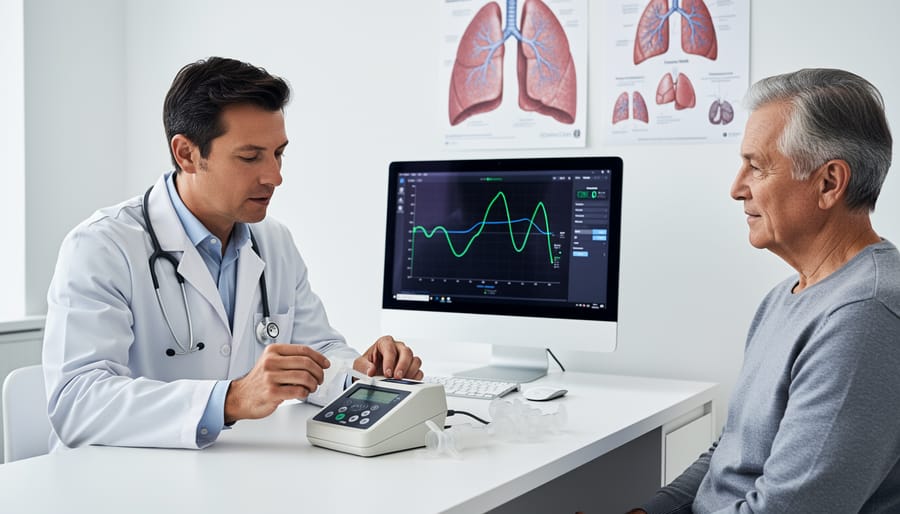
Understanding your lung cancer risk starts with honest self-assessment. If you’ve been a smoker or currently smoke, your risk is significantly elevated compared to people who have never smoked. But smoking isn’t the only consideration. Living in a home with high radon levels, working in industries where you’ve been exposed to asbestos or other harmful substances, or having close family members who’ve had lung cancer all raise your concern level.
Persistent symptoms deserve attention, especially when they last more than a few weeks. A cough that won’t go away, shortness of breath that’s getting worse, chest pain, or coughing up blood are warning signs that should prompt a conversation with your healthcare provider. Weight loss without trying, repeated lung infections, or feeling unusually tired can also be indicators worth discussing. These symptoms don’t automatically mean lung cancer, but they warrant professional evaluation.
Your level of concern should also reflect your cumulative exposure. Someone who smoked for twenty years, worked in construction around asbestos, and has a parent who had lung cancer carries more risk than someone with just one of those factors. Age matters too; lung cancer risk increases as you get older, particularly after age 55.
Here’s the key: you don’t need to diagnose yourself or convince yourself you have cancer before talking to your doctor. If you’re wondering whether you should be concerned, that wondering itself is reason enough to have the conversation. Canadian healthcare providers can assess your individual risk profile, discuss whether lung cancer screening makes sense for you, and help you understand what symptoms warrant follow-up. Early detection dramatically improves outcomes, so speaking up when something feels off is always the right choice.
What Causes Lung Cancer: The Primary Risk Factors
Tobacco Smoking and Your Lungs
Smoking damages lung cells in ways that accumulate over years. When you inhale cigarette smoke, thousands of chemicals enter your airways and lungs. Many of these substances directly harm the DNA in lung cells, disrupting the normal repair processes your body relies on to keep tissue healthy. Over time, this repeated damage can lead to changes in lung cells that become cancerous.
Smoking remains the leading cause of lung cancer in Canada and worldwide, far outweighing other risk factors. The chemicals in tobacco smoke coat the delicate lining of your airways, paralyzing the tiny hair-like structures that normally sweep out mucus and debris. This leaves harmful particles trapped in your lungs longer, increasing exposure.
If you are a former smoker, you have already taken the most important step to reduce your risk. Your lungs begin healing soon after you quit, though some damage persists depending on how long and how heavily you smoked. Former smokers still face higher risk than people who never smoked, which is why discussing screening options with your doctor matters, especially if you quit within the past 15 years.
Secondhand Smoke Exposure
Living with someone who smokes, or spending time in environments where smoking occurs, exposes you to the same harmful chemicals that smokers inhale. Secondhand smoke increases lung cancer risk in nonsmokers, this isn’t speculation or alarmism, but a well-documented finding in medical research. The smoke you breathe contains over 7,000 chemicals, hundreds of which are toxic and dozens that cause cancer.
Even if you’ve never smoked yourself, repeated exposure matters. Your lungs process the same carcinogens as active smokers, just in lower concentrations. People who grew up in smoking households, work in settings where smoking is permitted, or share living space with smokers face real risk over time. If you’re concerned about your exposure history, talk to your doctor about whether screening or other preventive steps make sense for your situation.
Radon Gas in Canadian Homes
Radon sneaks into homes undetected because you can’t see, smell, or taste it. Radon is a radioactive gas that forms naturally when uranium in soil and rock breaks down, and it can seep into buildings through cracks in foundations, gaps around pipes, or openings in basement floors. Once inside, it accumulates to levels that pose a health risk over long-term exposure.
In Canada, radon is recognized as an important environmental cause of lung cancer, particularly in regions with higher concentrations of uranium-bearing soil. Breathing radon decay products damages lung tissue over time, increasing cancer risk even for people who have never smoked. The risk grows with higher radon levels and longer exposure periods.
Many Canadian homes have elevated radon concentrations, but the only way to know your level is to test. Health Canada provides guidance on testing, including where to purchase test kits and how to interpret results. If your home tests above the Canadian guideline of 200 becquerels per cubic metre, mitigation measures like improved ventilation or sealing foundation cracks can reduce levels significantly. Testing is inexpensive and straightforward, making it one of the most actionable steps you can take to protect your family’s lung health.
Workplace and Environmental Exposures
Workplaces in mining, construction, manufacturing, and transportation can expose Canadians to substances that increase lung cancer risk. Asbestos, once widely used in insulation and building materials, remains a known hazard in older structures and certain industries; workers who handled asbestos decades ago may still face elevated risk today. Diesel exhaust, common in trucking, rail, and heavy equipment operation, contains particles and chemicals linked to lung cancer, particularly for those with prolonged exposure. Certain industrial chemicals, including arsenic, chromium, nickel, and silica dust, also raise risk when inhaled regularly over years.
Air pollution, both outdoor and indoor, contributes to lung cancer development even among people who have never smoked. Urban areas with higher traffic volumes and industrial emissions carry greater exposure to fine particulate matter and carcinogens. Canadian occupational health and safety regulations require employers to minimize exposure through ventilation, protective equipment, and monitoring, but workers should understand their rights and the hazards present in their specific roles.
If your work involves any of these exposures, talk to your employer about safety protocols, use respiratory protection when required, and discuss your occupational history with your healthcare provider. They can help assess your cumulative risk and recommend appropriate screening or preventive measures based on your individual exposure profile.
Family History and Genetic Factors
If lung cancer runs in your family, you’re right to take note. While most lung cancer cases occur in people with other risk factors like smoking or environmental exposures, having a close relative with lung cancer does matter for your own risk. Scientists have documented that family history plays a role, though the exact degree varies from person to person based on genetics and shared environmental factors.
The connection isn’t fully understood yet. It could be inherited genetic variations that make lung tissue more vulnerable to damage, or it might reflect families who lived in the same home with radon exposure or similar occupational hazards. Either way, your healthcare provider needs to know this information.
When you see your doctor, mention any close relatives who’ve had lung cancer, including parents, siblings, or children. Share their smoking history if you know it, and note their age at diagnosis. This helps your provider assess whether you might benefit from earlier or more frequent screening, especially if you have other risk factors yourself. Your family story becomes part of your personal risk profile, and it’s one of the clearest reasons to have an honest conversation about lung cancer screening options available in Canada.
How to Lower Your Lung Cancer Risk: Step-by-Step Actions
Step 1: If You Smoke, Get Support to Quit
Quitting smoking is the single most effective step you can take to reduce your lung cancer risk, no matter how long you’ve smoked. Many Canadians successfully quit with the right support, and you don’t have to do it alone.
Start by talking to your family doctor or nurse practitioner. They can discuss proven cessation methods, including nicotine replacement therapy and prescription medications that reduce cravings and withdrawal symptoms. Your healthcare provider can tailor a quit plan to your specific situation and health needs.
Canada’s provincial quitlines offer free telephone counseling and support. Services like the Quebec Smokers’ Helpline and Health Canada’s national resources connect you with trained counselors who understand what you’re going through. Many programs provide multiple follow-up calls to help you stay on track.
Community-based programs are available across the country, often offered through public health units, pharmacies, and community health centers. Some workplaces also provide cessation programs as part of employee wellness initiatives.
Remember that quitting is a process, not a single event. Many people try several times before successfully quitting for good, and each attempt teaches you something valuable about what works for you.
Step 2: Test Your Home for Radon
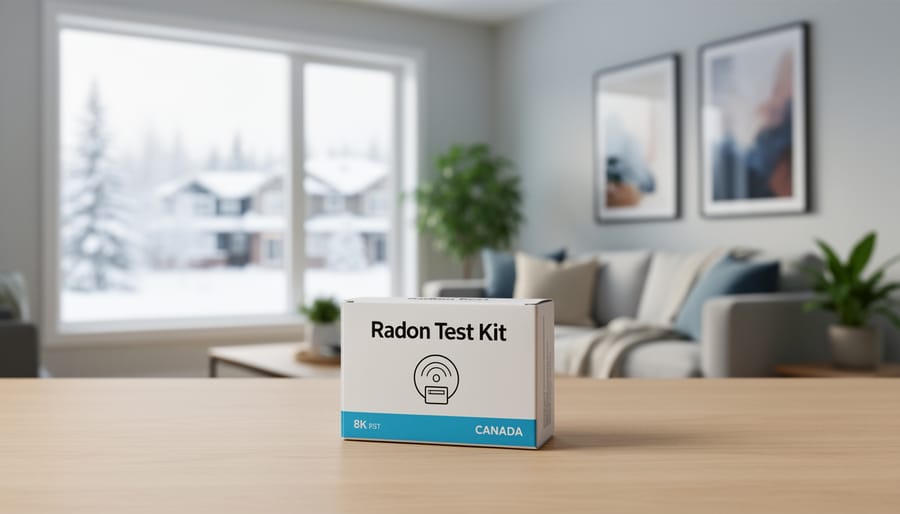
Radon is invisible and odourless, so the only way to know if your home has elevated levels is to test. In Canada, you can purchase a long-term radon test kit online from retailers like the Canadian National Radon Proficiency Program participants or through provincial lung associations. These kits typically cost between $50 and $75 and measure radon levels over several months, which gives a more accurate picture than short-term tests.
Place the test in your lowest lived-in level (usually a basement), leave it undisturbed for the recommended period, then mail it to the lab for analysis. If results show levels at or above Health Canada’s guideline of 200 Bq/m³, radon mitigation is recommended. Professional mitigation usually involves installing a ventilation system that redirects radon gas outside, and understanding how risk is reduced through such targeted interventions can motivate you to act. Your provincial health authority or a certified radon mitigation professional can guide you through next steps and connect you with qualified contractors.
Step 3: Protect Yourself from Workplace Exposures
If your job involves exposure to substances linked to lung cancer, asbestos, silica dust, diesel exhaust, certain chemicals, or heavy metals, you have rights and practical ways to protect yourself. Canadian workplace safety laws require employers to minimize hazardous exposures and provide protective equipment, but knowing what to ask for and how to use it makes a real difference in reducing your risk over the years.
Start by understanding what you’re exposed to. Ask your employer or occupational health and safety representative for safety data sheets on the materials you work with. These documents list health hazards and required precautions. If asbestos, crystalline silica, or known carcinogens are present, your employer must provide appropriate respiratory protection, usually a properly fitted respirator, not just a dust mask, and train you on its correct use. Wear it consistently during exposure; skipping protection “just this once” adds up.
Beyond respirators, use other protective gear your workplace provides: gloves, coveralls, and eye protection when handling chemicals. Change out of work clothes before going home to avoid bringing contaminants to your family. Shower at work if facilities are available. Good ventilation and dust control systems also reduce airborne particles; if these seem inadequate, you can raise concerns with your health and safety committee or contact your provincial or territorial occupational health and safety authority.
If you’re unsure whether your workplace meets safety standards, or if you’re experiencing respiratory symptoms you think may be work-related, speak with your family doctor and mention your occupational exposures. They can refer you to an occupational medicine specialist if needed. Protecting yourself now, through consistent equipment use, understanding your rights, and staying alert to symptoms, helps safeguard your lung health for the long term.
Step 4: Talk to Your Doctor About Screening
If you’ve been exposed to significant risk factors, like a history of heavy smoking, long-term workplace exposures, or elevated radon levels, you may benefit from lung cancer screening. Current guidelines recommend screening for certain high-risk individuals, typically those with a substantial smoking history within a specific age range, though eligibility criteria can vary by province and healthcare setting.
Having this conversation with your doctor doesn’t need to be complicated. Share your smoking history honestly, including how many years you smoked and when you quit if applicable. Mention any occupational exposures, family history of lung cancer, or home radon test results. Ask directly whether you meet the criteria for low-dose CT screening, which can detect lung cancer at earlier, more treatable stages.
Your healthcare provider can assess your individual risk profile and determine whether screening is appropriate for you. They can also discuss what the screening process involves, how often it might be repeated, and what happens if something is found. In Canada, access to screening programs may depend on your province, so your doctor can guide you to available resources and referrals. Starting this conversation is a proactive step toward protecting your lung health.
Prevention Strategies: Building Long-Term Lung Health
Building habits that protect your lungs is not about perfection. It’s about making choices that reduce your overall cancer risk and improve your respiratory health over time. Many Canadians find that small, consistent changes add up to meaningful protection.
A healthy diet rich in fruits and vegetables provides antioxidants and nutrients that support your body’s natural defenses. While no single food prevents cancer, eating a variety of colorful produce, whole grains, and lean proteins helps maintain overall health. Canadian dietary guidelines emphasize whole foods over processed options, and that approach serves your lungs well.
Regular physical activity strengthens your respiratory system and helps your body function optimally. You don’t need to run marathons. Walking, swimming, cycling, or any movement you enjoy counts. Aim for consistency rather than intensity. Being active also helps if you’re working to quit smoking, as it can reduce cravings and improve mood.
Avoiding air pollutants when possible protects your lungs from daily irritation. Check air quality forecasts during wildfire season or high pollution days, and limit outdoor activity when air quality is poor. If you live in an urban area with heavy traffic, consider walking routes away from main roads when you can.
- Eat a variety of fruits, vegetables, and whole grains daily
- Stay physically active with activities you enjoy and can sustain
- Monitor air quality and limit outdoor exposure on poor air days
- Maintain a healthy weight through balanced eating and movement
- Stay current with vaccinations that protect respiratory health
- Keep your living space well-ventilated and free from mold
- Review Canadian Cancer Society guidelines annually for updated prevention information
Staying informed about lung health research helps you make evidence-based decisions. Canadian institutions regularly update screening guidelines, risk assessment tools, and prevention recommendations. Your healthcare provider can help you understand how new findings apply to your personal situation.
Building long-term lung health also means addressing stress and mental well-being. Chronic stress affects your immune system and overall health. Finding ways to manage stress that work for you, whether through community connection, time in nature, or other methods, supports your body’s resilience.
These strategies work best when they fit your life. Start with one or two changes that feel manageable, then build from there. Prevention is a long game, and every positive choice matters.
Canadian Research Advances in Lung Cancer Prevention and Early Detection
Canadian researchers and institutions are making meaningful progress in understanding lung cancer risk and improving early detection, particularly for populations that have historically faced barriers to screening and care.
Several Canadian cancer centres are exploring how artificial intelligence can help radiologists identify suspicious lung nodules earlier and more accurately during CT scans. These technologies aim to reduce false positives and catch cancers at stages when treatment is most effective. Meanwhile, research teams across the country are investigating biomarkers in blood and breath that might one day enable simpler, less invasive screening methods for high-risk individuals.
Community health initiatives in provinces like British Columbia and Ontario are working to increase awareness about radon testing and smoking cessation resources, particularly in rural and remote areas where access to screening programs can be limited. Indigenous health organizations are partnering with researchers to develop culturally appropriate lung health education and ensure that prevention strategies respect traditional knowledge and community values.
The Canadian Partnership Against Cancer continues to refine national lung cancer screening guidelines, drawing on evidence about who benefits most from screening and how to balance benefits with potential harms. Their work includes studying how factors like occupational exposures and family history should inform screening eligibility criteria.
Universities and cancer research institutes are also examining how environmental factors specific to Canadian geography and industry contribute to lung cancer risk. This includes studying air quality impacts in urban centres, workplace exposures in mining and construction sectors, and regional radon concentrations.
These efforts reflect a commitment to prevention through understanding how daily risk choices and environmental factors intersect with lung cancer development. By investing in research that addresses Canadian-specific risk patterns, these initiatives aim to reduce lung cancer incidence and improve outcomes for everyone.
What This Means for You and Your Family
The most important message from this article is that knowledge creates opportunity. While some risk factors like family history can’t be changed, the majority of lung cancer risk comes from exposures you can modify or avoid. Smoking cessation remains the single most powerful step you can take, but it’s not the only one. Testing your home for radon costs less than fifty dollars and takes minutes to set up. Using proper protective equipment at work and following safety protocols matters. Having an honest conversation with your healthcare provider about your individual risk factors opens the door to screening that can catch cancer early, when treatment is most effective.
Your family benefits from this knowledge too. When you test for radon, everyone in your household gains protection. When you quit smoking, you reduce secondhand smoke exposure for those around you. When you share your family health history with your children and siblings, you give them information they need for their own health decisions. Taking action on lung cancer risk isn’t just about individual health, it’s about creating safer environments for the people you care about and modeling proactive health management for the next generation.
Common Questions About Lung Cancer Risk Factors
Can I get lung cancer if I’ve never smoked?
Yes. While smoking is a major risk factor, lung cancer can develop in people who have never smoked due to radon exposure, secondhand smoke, occupational hazards, air pollution, and genetic factors. Non-smokers who develop lung cancer deserve the same compassion and care as anyone facing this disease.
How do I know if I should be screened for lung cancer?
Screening eligibility typically depends on your age, smoking history, and overall health status. Talk with your healthcare provider if you’re a current or former smoker, have been exposed to significant workplace hazards like asbestos, or have persistent respiratory symptoms. They can assess whether screening is right for you based on Canadian guidelines and your individual risk profile.
Where can I get a radon test kit in Canada?
You can purchase radon test kits online through Health Canada’s website, from provincial lung associations, and at many hardware stores across the country. Testing is straightforward and takes a few months to get accurate results, but it’s the only way to know if your home has elevated radon levels.
If lung cancer runs in my family, am I definitely going to get it?
No. Having a family history increases your risk, but it doesn’t mean you’ll develop lung cancer. Many factors contribute to cancer development, and you can reduce your overall risk through the prevention strategies discussed in this article. Share your family health history with your doctor so they can help you monitor your health appropriately.
These questions reflect what healthcare providers hear most often from Canadians concerned about their lung cancer risk. The answers aim to provide clarity without causing unnecessary alarm.
One concern that comes up frequently is confusion about screening recommendations. Unlike breast or colorectal cancer screening, lung cancer screening isn’t offered universally to all adults. The decision involves weighing your individual risk factors against the potential benefits and harms of screening, which is why a conversation with your healthcare provider matters so much. They know your complete health picture and can guide you toward the right choice.
Another common source of worry is what to do after learning about a specific risk factor. If you discover your home has high radon levels, or if you realize you’ve been exposed to asbestos at work decades ago, it’s natural to feel anxious. The important thing is to take action on what you can control now. Mitigate the radon, use proper protective equipment going forward, and discuss your exposure history with your doctor. Dwelling on past exposures you can’t change doesn’t serve your health, but addressing current risks and staying vigilant about screening absolutely does.
Many Canadians also wonder whether living in a city with air pollution significantly raises their risk. While air quality does play a role, the relationship between pollution and lung cancer is complex and varies based on where you live and how long you’re exposed. Focusing on the risk factors you can directly control, like smoking cessation and radon testing, will have a more meaningful impact on your personal risk reduction than worrying about city air quality you can’t easily change.
Understanding Risk Factor Categories
Risk factors for lung cancer fall into two main categories that matter deeply for your health decisions: those you can change through lifestyle choices and actions, and those that stay with you but help guide conversations with your doctor.
Modifiable risk factors are within your control. Quitting smoking, testing your home for radon, using protective equipment at work, avoiding secondhand smoke, and reducing exposure to air pollution all lower your risk meaningfully. These factors respond to the steps you take today, which is why the prevention sections earlier in this article focus on concrete actions you can start right away.
Non-modifiable risk factors include your age, family history, past radiation exposure to the chest, and certain genetic factors. You cannot change these, but knowing about them helps you and your healthcare provider decide whether earlier or more frequent screening makes sense. If lung cancer runs in your family or you have other unchangeable risk factors, sharing that information during medical appointments ensures you get the monitoring you need.
| Risk Factor Category | Examples | What You Can Do |
|---|---|---|
| Modifiable | Tobacco smoking, radon exposure, workplace chemicals, secondhand smoke | Quit smoking, test and mitigate radon, use protective equipment, avoid smoke-filled environments |
| Non-Modifiable | Age, family history, past radiation therapy, genetic factors | Discuss screening options with your doctor, stay vigilant about symptoms, inform healthcare providers |
Understanding which category each risk factor falls into helps you focus your energy where it counts most. Pour effort into the modifiable factors through the steps outlined earlier, and use your knowledge of non-modifiable factors to advocate for appropriate screening and stay alert to changes in your health.
Understanding the risk factors that contribute to lung cancer puts real power in your hands. You now know what to watch for, which exposures to avoid, and when to speak up with your healthcare provider. Many lung cancers are among the most preventable cancers and the steps you take today can make a meaningful difference in your long-term health.
Start with one action this week, whether that’s ordering a radon test kit, scheduling a conversation with your doctor, or reaching out to a quit-smoking program. You don’t have to do everything at once. Small, steady changes add up.
You’re not navigating this alone. Connect with your local healthcare team, explore resources from Health Canada and the Canadian Cancer Society, and lean on the Cancer Survivors community for shared experiences and encouragement. Together, we can reduce risk, catch cancer earlier, and support each other every step of the way. Your health matters, and so does your voice in protecting it.