
The most preventable cancers include lung, skin, colorectal, and cervical cancers, and up to 40% of all cancer cases in Canada could be prevented through lifestyle changes, vaccination, and screening. That’s not a distant hope or theoretical possibility. It’s grounded in decades of Canadian and international research showing that specific, concrete actions reduce your cancer risk right now.
Understanding which cancers are preventable matters because it shifts the conversation from fear to agency. While no one can eliminate cancer risk entirely, you have more control than you might think. Lung cancer, responsible for more deaths than any other cancer in Canada, is largely preventable through tobacco avoidance. Melanoma and other skin cancers respond directly to sun protection habits. Colorectal cancer risk drops significantly with screening and dietary choices. Cervical cancer has become increasingly rare in populations with access to HPV vaccination and regular Pap tests.
The research is clear, and the Canadian context makes it even more actionable. Our healthcare system provides access to screening programs, vaccination initiatives, and evidence-based prevention strategies that work. Canadian researchers have contributed substantially to our understanding of cancer prevention, from studies on the link between physical activity and reduced cancer risk to breakthroughs in understanding how environmental factors influence disease development.
This isn’t about blame or guilt if you’ve already faced a cancer diagnosis. Prevention knowledge benefits everyone: those looking to reduce their risk, survivors wanting to prevent recurrence, and families seeking to protect future generations. The following guide identifies the cancers with the strongest prevention evidence and walks you through practical, achievable steps you can take today. Small changes compound over time, and every positive choice matters.
Understanding Cancer Prevention: What Makes a Cancer Preventable?
When researchers say a cancer is “preventable,” they don’t mean you can guarantee you’ll never develop it. What they mean is that specific, modifiable behaviors account for a substantial portion of cases, often 30% to 70% or more. These are cancers where the choices you make today genuinely shift your odds tomorrow.
The key distinction lies in *modifiable risk factors*. Some cancer drivers sit outside your control: your age, your sex, inherited genetic mutations like BRCA1 or BRCA2. But many others respond directly to how you live. Tobacco use, alcohol consumption, diet quality, physical activity levels, body weight, sun exposure, and certain infections (like HPV or hepatitis) all fall into the modifiable category. Change the behavior, and you reduce the risk. Canadian researchers estimate that roughly half of all cancer cases could be avoided if we consistently applied what we already know about these factors.
Does genetics still matter? Absolutely. A family history of colorectal cancer or a BRCA mutation raises your baseline risk, sometimes dramatically. But even when genes load the dice, lifestyle choices can still tip the odds in your favor. Think of it as two layers: genetics set the stage, and daily habits determine how the script unfolds. A person with average genetic risk who smokes heavily faces far greater lung cancer danger than someone with a slight hereditary predisposition who has never smoked.
Prevention also depends on timing and consistency. A single healthy meal won’t offset years of poor nutrition, just as one cigarette won’t erase decades of clean living. The cancers we’ll explore in the following sections share a common thread: sustained, realistic changes accumulate protective benefits over months and years. That’s where hope lives, not in perfection, but in persistence.
Lung Cancer: The Most Preventable Yet Most Deadly
Lung cancer kills more Canadians than any other cancer, yet up to 90 percent of cases are entirely preventable. That stark contrast makes it both our greatest cancer tragedy and our biggest prevention opportunity.
Tobacco use remains the overwhelming driver. About 85 to 90 percent of lung cancer cases trace directly to smoking cigarettes, cigars, or pipes. The risk climbs with every year you smoke and every cigarette you light. But here’s the hopeful part: your risk begins dropping the moment you quit. Within five years of quitting, your lung cancer risk falls by nearly half. After ten years, it drops to roughly half that of someone who still smokes.
Canada has built one of the world’s most supportive systems for people ready to quit. Every province offers free telephone quitlines staffed by trained counselors who create personalized quit plans. Many provinces also provide free or subsidized nicotine replacement therapy, from patches to gum to prescription medications like varenicline. Your family doctor can connect you with these resources and prescribe medications that double your chances of quitting successfully. These aren’t just programs on paper. A 2024 Health Canada report found that Canadians using provincial cessation support were three times more likely to quit for good compared to those who tried alone.
But you don’t need to smoke to face lung cancer risk. Secondhand smoke causes about 800 Canadian lung cancer deaths each year. If you live with a smoker, insist on smoke-free indoor spaces. The carcinogens in tobacco smoke cling to walls, furniture, and clothing long after the visible smoke clears.
Radon poses another hidden threat. This naturally occurring radioactive gas seeps from soil into basements and lower floors, causing roughly 16 percent of lung cancer deaths in Canada. You can’t see or smell it, but testing is simple and inexpensive. Health Canada recommends testing every home, especially in regions with higher radon concentrations like parts of Manitoba, Saskatchewan, and the Maritimes. If levels exceed 200 becquerels per cubic meter, a qualified contractor can seal entry points and install ventilation systems.
The path forward is clear. Quit smoking, avoid secondhand smoke, and test your home for radon. These three actions can prevent the vast majority of Canada’s deadliest cancer.

Skin Cancer: Prevention Written in Simple Sun Safety
Skin cancer tops the list of preventable cancers in Canada, yet many Canadians still underestimate their risk. More than 88,000 Canadians are diagnosed with non-melanoma skin cancers annually, and approximately 9,000 with melanoma, the deadliest form. The encouraging news: up to 90% of these cases are preventable through consistent UV protection.
Many Canadians believe northern latitudes provide natural protection from sun damage, but the opposite is true. Canada’s thinner ozone layer at higher latitudes actually increases UV exposure, while snow and water reflect UV rays, intensifying skin damage. A spring ski day or summer paddle can deliver surprisingly high UV exposure.
The myth that “you only need sunscreen on sunny days” remains dangerously persistent. UV rays penetrate clouds, and the strongest UV radiation occurs between 10 a.m. and 4 p.m., even on overcast days. Canadian dermatologists emphasize that every UV exposure contributes to cumulative skin damage, increasing cancer risk over a lifetime.
Simple daily habits dramatically reduce your risk. Apply broad-spectrum SPF 30 or higher sunscreen every morning, regardless of weather or season. Reapply every two hours when outdoors. Seek shade during peak UV hours. Wear sun-protective clothing, wide-brimmed hats, and UV-blocking sunglasses. Check your skin monthly for new or changing moles, and schedule annual skin exams with your doctor, especially if you have fair skin, a history of sunburns, or family history of skin cancer.
Indoor tanning beds pose serious risks. The Canadian Cancer Society reports that people who use tanning beds before age 35 increase their melanoma risk by 59%. Several provinces have banned youth tanning bed use, recognizing this preventable exposure.
Your daily sun habits matter more than occasional beach vacations. Protecting your skin from UV damage isn’t about avoiding sunshine entirely, it’s about making sun safety as automatic as buckling your seatbelt. These small, consistent actions reduce your skin cancer risk while letting you enjoy Canada’s beautiful outdoors safely.

Colorectal Cancer: The Lifestyle-Sensitive Cancer
Colorectal cancer ranks among the most preventable cancers, with research showing that up to 70% of cases could be avoided through lifestyle modifications. What you eat, how much you move, and whether you maintain a healthy weight aren’t just general health advice, they’re powerful levers that directly influence your colorectal cancer risk.
The evidence is particularly strong around diet. High consumption of red meat (beef, pork, lamb) and processed meats (bacon, deli meats, hot dogs) consistently increases risk. Canadian studies suggest that people who eat more than 500 grams of red meat weekly face roughly 20% higher risk compared to those who eat less. Processed meats carry even greater concern because of compounds formed during preservation and cooking.
On the flip side, fiber acts as a protective factor. Whole grains, legumes, fruits, and vegetables help move waste through your digestive system faster and may bind to potential carcinogens. Research from the Canadian Partnership Against Cancer found that individuals consuming 25-30 grams of fiber daily showed significantly lower colorectal cancer rates than those averaging under 15 grams.
| Risk Factor | Impact on Risk | Protective Alternative |
|---|---|---|
| High red/processed meat intake | +20-30% increase | Fish, poultry, plant proteins |
| Physical inactivity | +30-40% increase | 150+ minutes weekly moderate activity |
| Obesity (BMI >30) | +50% increase (men), +20% (women) | Healthy weight maintenance |
| Heavy alcohol use (3+ drinks daily) | +20% increase | Limited or no alcohol consumption |
Physical activity deserves special attention. Regular exercise, even brisk walking, reduces colorectal cancer risk by approximately 30%. The protective effect appears strongest for colon cancer specifically, possibly because movement speeds digestion and reduces inflammation.
Obesity, particularly abdominal fat, creates chronic low-grade inflammation and insulin resistance, both linked to cancer development. Men with obesity face roughly 50% higher colorectal cancer risk than those at healthy weights. For women, the increase is around 20%.
Screening remains your safety net. Colonoscopy or fecal immunochemical testing (FIT) can detect precancerous polyps before they become cancer. Most Canadian provinces offer screening programs starting at age 50, with some now beginning at 45 based on recent evidence of rising rates in younger adults.
The encouraging reality: small, consistent changes add up. Swapping two weekly red meat meals for fish or beans, adding a daily 30-minute walk, and maintaining a healthy weight together can cut your risk substantially. You’re not aiming for perfection, you’re building a pattern of choices that protect you over time.

Breast and Cervical Cancers: Prevention Through Screening and Lifestyle
Breast and cervical cancers stand out among the most preventable cancers because they respond powerfully to both early detection and lifestyle choices. While genetics play a role, research shows that modifiable factors influence a significant portion of these diagnoses, particularly for breast cancer where lifestyle accounts for approximately 25-30% of cases.
For breast cancer prevention, maintaining a healthy weight after menopause makes a measurable difference. Fat tissue produces estrogen, and higher estrogen levels over time increase breast cancer risk. Even modest weight loss, around five to ten pounds, can lower your risk if you’re carrying extra weight. Physical activity offers protection too. Aim for 150 minutes of moderate activity weekly, whether that’s brisk walking, cycling, or swimming. Movement helps regulate hormones and reduce inflammation, two factors linked to cancer development.
Alcohol consumption deserves honest attention. Each drink per day increases breast cancer risk by about 7-10%, and this risk accumulates. If you drink regularly, reducing your intake or choosing alcohol-free days can meaningfully lower your exposure. Breastfeeding, when possible, also provides protection by altering breast tissue in ways that reduce cancer risk.
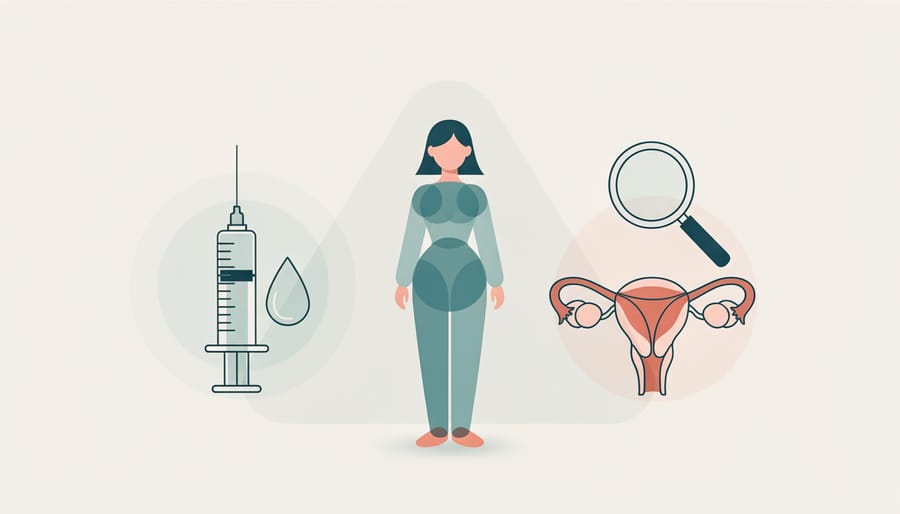
Cervical cancer prevention tells a different story, one centered on infection control. Nearly all cervical cancers stem from persistent human papillomavirus (HPV) infection. Canada’s school-based HPV vaccination programs, available across provinces for children typically in grades 4-6, have dramatically reduced infection rates. The vaccine works best before exposure to the virus, but adults up to age 45 can still benefit. Check with your provincial health authority about eligibility and coverage.
Regular Pap tests remain essential for cervical cancer prevention, catching cell changes before they become cancer. Canadian guidelines recommend screening every three years starting at age 25. Some provinces now offer HPV testing as an alternative or addition to Pap tests, extending screening intervals to five years when results are negative. These programs are covered by provincial health plans, removing financial barriers to lifesaving prevention.
Together, these screening programs and lifestyle adjustments create real protection against two cancers that collectively affect thousands of Canadian women each year. Prevention here isn’t theoretical; it’s backed by decades of evidence showing these steps work.
Liver and Stomach Cancers: Infection Control and Dietary Factors
Liver and stomach cancers might not dominate headlines like lung or breast cancer, yet they rank among the most preventable when you understand the infectious and dietary triggers behind them. Globally, chronic hepatitis B and C infections drive the majority of liver cancer cases, while Helicobacter pylori bacteria quietly fuels stomach cancer development. The good news? Canada offers free or subsidized vaccination programs for hepatitis B, and antiviral treatments can now cure hepatitis C before it damages your liver. If you were born before routine infant vaccination began in the 1980s or have risk factors like injection drug use, ask your doctor about testing and treatment. Catching these infections early or preventing them entirely removes a major cancer pathway.
Alcohol adds another layer of liver cancer risk. Heavy drinking over decades causes cirrhosis, which creates the scarred, inflamed tissue where tumours thrive. Even moderate daily consumption increases risk when combined with hepatitis infections or obesity, so limiting alcohol protects multiple fronts.
For stomach cancer, reducing H. pylori means talking to your doctor if you have persistent stomach pain or unexplainable digestive issues. A simple breath or stool test detects the bacteria, and a short course of antibiotics eliminates it. Dietary habits matter too. High intake of salt-preserved, smoked, or pickled foods correlates with elevated stomach cancer rates in populations that rely on these preservation methods. Fresh vegetables, citrus fruits, and whole foods offer protective compounds that support stomach lining health. You don’t need a dramatic diet overhaul. Swap processed meats for grilled fish a few times a week, choose fresh over canned when possible, and watch your sodium intake. These incremental shifts reduce inflammatory damage and create an environment where cancer struggles to take hold.
The Five Lifestyle Pillars That Reduce Your Cancer Risk
You’ve already read about lung cancer, skin cancer, and several others, now let’s bring those lessons together into five core lifestyle changes that cut across almost every preventable cancer. Think of these as your foundation, not a checklist you need to perfect overnight. Even one sustained change lowers your risk more than doing nothing, and the Canadian Cancer Society emphasizes that combining several of these pillars creates a compounding protective effect.
- Eliminate tobacco in all forms. Smoking is the single largest avoidable cancer cause, responsible for about 30% of all cancer deaths. Quitting at any age reduces your risk, and Canada’s provincial quitlines (available at no cost) double your chances of success compared to going it alone. If you don’t smoke, avoid secondhand smoke and support loved ones who are trying to quit.
- Maintain a healthy weight. Excess body fat increases risk for at least 13 cancer types, including breast, colorectal, and liver cancers. You don’t need to chase an “ideal” number, losing even 5-10% of your current weight if you’re overweight brings measurable benefits. Focus on gradual changes: swap sugary drinks for water, add vegetables to meals you already eat, take the stairs when you can.
- Move your body most days. Aim for 150 minutes of moderate activity per week (brisk walking counts), plus muscle-strengthening twice weekly. Regular movement lowers colorectal and breast cancer risk by improving hormone balance, reducing inflammation, and helping weight management. Split it into 10-minute chunks if a half-hour feels daunting, consistency matters more than intensity.
- Build meals around whole foods. A plate rich in vegetables, fruits, whole grains, and legumes supplies fiber, antioxidants, and phytochemicals that protect cells. Limit red meat (beef, pork, lamb) to three servings per week and minimize processed meats like bacon and deli slices, which the World Health Organization classifies as carcinogenic. You don’t need a restrictive diet; crowding out risky foods with protective ones is enough.
- Drink less alcohol, or not at all. No amount of alcohol is “safe” for cancer prevention. Even moderate drinking raises breast, colorectal, and liver cancer risk. If you drink now, cutting back to one drink per day (for women) or two (for men) reduces harm, but less is always better. Many Canadians find sparkling water with citrus or alcohol-free beer satisfies the ritual without the risk.
Start with whichever pillar feels most achievable for you right now. Trying to overhaul everything at once usually backfires. Pick one change, make it automatic over a few months, then layer in another. Small, boring consistency beats dramatic bursts of effort every time, and you’re building habits that protect you for decades, not just weeks.
Community Stories: Canadians Taking Control of Their Cancer Risk
When Sarah Thompson from Halifax turned 45, her mother’s breast cancer diagnosis became a turning point. Instead of waiting anxiously, Sarah joined a community wellness group through the Nova Scotia Cancer Society, where she connected with other women focused on prevention. “We started walking together three mornings a week, then began cooking classes to learn about anti-cancer diets,” she recalls. Five years later, their group has grown to 30 members, and Sarah has maintained a healthy weight, reduced her alcohol intake, and inspired her teenage daughters to prioritize prevention.
In Winnipeg, former smoker David Chen credits his local quit-smoking support group with saving his life. After 25 years of smoking, he attended his first meeting at CancerCare Manitoba in 2023. “The counselors didn’t judge, they gave me practical tools and connected me with others fighting the same battle,” David says. He’s been smoke-free for three years now, and volunteers as a peer mentor for newly diagnosed lung cancer patients, sharing how lifestyle changes reduced his risk of recurrence and other preventable cancers.
The Indigenous Cancer Wellness Program in British Columbia demonstrates community-driven prevention on a larger scale. This initiative combines traditional healing practices with evidence-based cancer prevention education, addressing the unique needs of First Nations communities. Through culturally appropriate nutrition workshops, physical activity programs rooted in traditional practices, and accessible screening clinics, the program has reached over 2,000 participants across remote communities, creating networks of support that extend beyond individual health choices.
These stories illustrate what research confirms: sustainable prevention happens within supportive communities where Canadians share knowledge, accountability, and hope.
While we can’t prevent every cancer, the evidence is clear: many of the most common and deadly cancers in Canada are largely preventable through choices you make every day. From lung cancer linked to tobacco use to skin cancer prevented by sun protection, colorectal cancer influenced by diet and activity, and cervical cancer nearly eliminated through vaccination and screening, your daily habits genuinely matter.
You don’t need to overhaul your entire life tomorrow. Start with one change that feels manageable, whether that’s adding a daily walk, booking that overdue screening, or cutting back on processed meats. Small steps compound into meaningful risk reduction over time.
If you’re feeling overwhelmed or unsure where to begin, you’re not alone. The Cancer Survivors community across Canada connects individuals, families, and caregivers who understand this journey. Whether you’re focused on prevention, living with cancer, or supporting someone who is, there are resources and people ready to help. Canadian cancer organizations offer free smoking cessation programs, nutritional guidance, mental health support, and screening information tailored to your province.
Prevention isn’t about perfection. It’s about progress, one informed choice at a time. Your future self will thank you for what you do today.